
Hospitality Beyond Borders
Tours in Islamabad
Day Excursion To Pharwala Fort (from Rawalpindi / Islamabad)
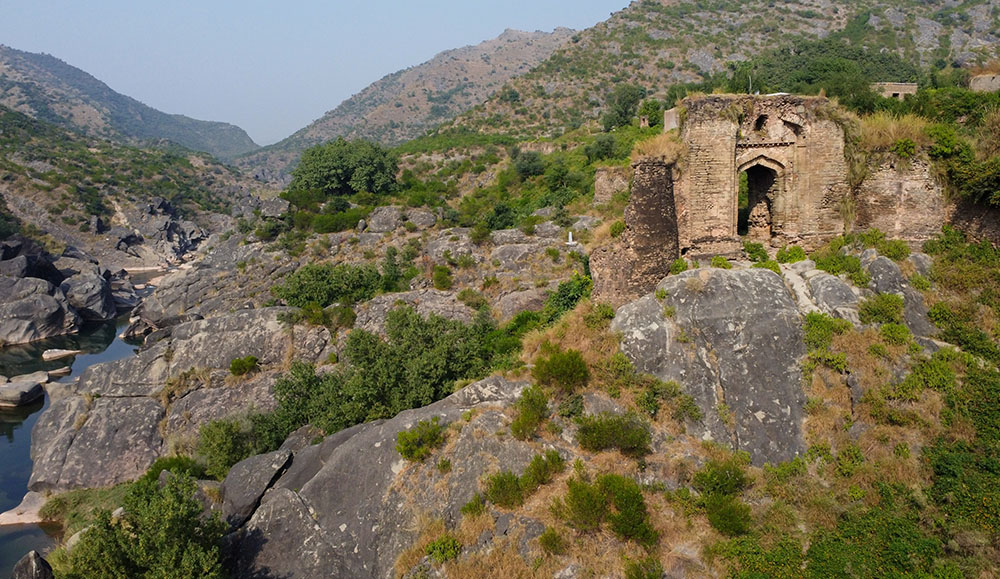
Pharwala Fort, nestled in the hills of the Kahuta region within the Islamabad Capital Territory, stands as a powerful relic of the Gakhar tribe’s legacy. Originally constructed around the 11th century by Gakhar chieftain Kai Gohar, its location was strategically chosen for defense and its commanding view of the Pothohar Plateau. A Day Excursion to Pharwala Fort narrates the indephth story of this magnificent edifice ruled by several dynasties.
Over time, the fort was expanded and fortified most notably in 1519 by Emperor Babur, who raised its walls by ten feet after a brief Mughal conquest. Despite multiple occupations by the Mughals, Sikhs, and British, the Gakhars held the fort until 1818, with its final transfer of control occurring under Sikh rule. It also served as a residence for several notable figures, including the renowned Sikh ruler Maharaja Ranjit Singh, who is said to have stayed here during his travels.
Encircled by a now-dry defensive trench and once accessed via a wooden drawbridge, the fort has decayed into romantic ruins, partially overtaken by nature. Remnants of gates such as Haathi Gate, Bohri Gate, and Begum Gate named after noblewoman Mai Mango still stand, offering insight into its former grandeur. Today, Pharwala Fort is a symbol of neglected rural heritage. Despite its cultural significance, restoration remains hindered by the presence of local inhabitants believed to be Gakhar descendants who live without basic amenities and are cautious of outsiders.
Though difficult to access and in a state of disrepair, a day excursion to Pharwala Fort captivates visitors with its history, mystique, and sweeping views of the Islamabad outskirts and the Soan River.
1 Day
Day Excursion To Wah Mughal Gardens (from Rawalpindi / Islamabad)
Wah Mughal Gardens, located in the heart of Wah Cantonment just 45 kilometers from Islamabad, is a serene and historically rich retreat that offers a captivating glimpse into the grandeur of Mughal landscape design. Established during the reign of Emperor Akbar in the 16th century and later refined under Emperor Shah Jahan, the gardens were originally intended as a royal rest stop along the Grand Trunk Road. This stunning 64-acre estate served as a sanctuary for emperors and their entourages as they journeyed between Lahore and Kabul.
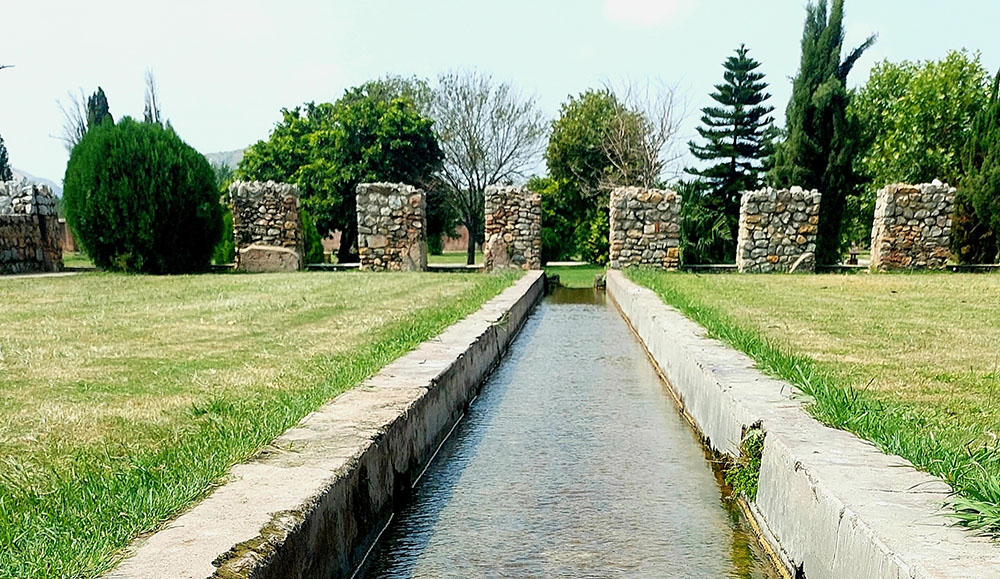
The gardens are a remarkable example of the Persian-inspired Charbagh layout, characterized by symmetrical patterns, terraced landscapes, and an intricate network of water channels. A large rectangular pool sits at the heart of the garden, surrounded by elaborately carved marble pavilions, colonnades, and walkways that reflect a graceful blend of Mughal and European artistic influences. The architecture is a testimony to the technical and aesthetic brilliance of the era, enhanced by the natural beauty of the surrounding Margalla Hills.
Visitors today can wander through tree-lined avenues, listen to the gentle murmur of flowing water from the centuries-old fountains, and enjoy a rare moment of stillness in a place once alive with imperial splendor. Restoration efforts have successfully preserved many original features, making it one of the best-maintained Mughal gardens in Pakistan.
The Wah Gardens are a visual and sensory delight throughout the year, offering vibrant blossoms in spring, lush greenery in summer, and golden hues in autumn. Whether you’re a history enthusiast, an architecture lover, or a family looking for a scenic spot to picnic and relax, the gardens provide a tranquil yet enriching escape from the bustle of urban life.
With its cultural significance, natural beauty, and easy accessibility from Islamabad and Rawalpindi, a visit to Wah Mughal Gardens is both a journey into history and a refreshing day out. It invites you to slow down, reflect, and reconnect with the refined aesthetics of a glorious past.
1 Day
Day Excursion To Umbrella Waterfall (from Rawalpindi / Islamabad)
Escape the city bustle and immerse yourself in nature with a captivating day excursion to Umbrella Waterfall — a pristine and increasingly beloved natural wonder just 80 km from Islamabad. Tucked away near the quaint village of Poona in the Haripur district, this enchanting spot offers more than just a scenic view — it delivers a full experience for adventure seekers and tranquility lovers alike.
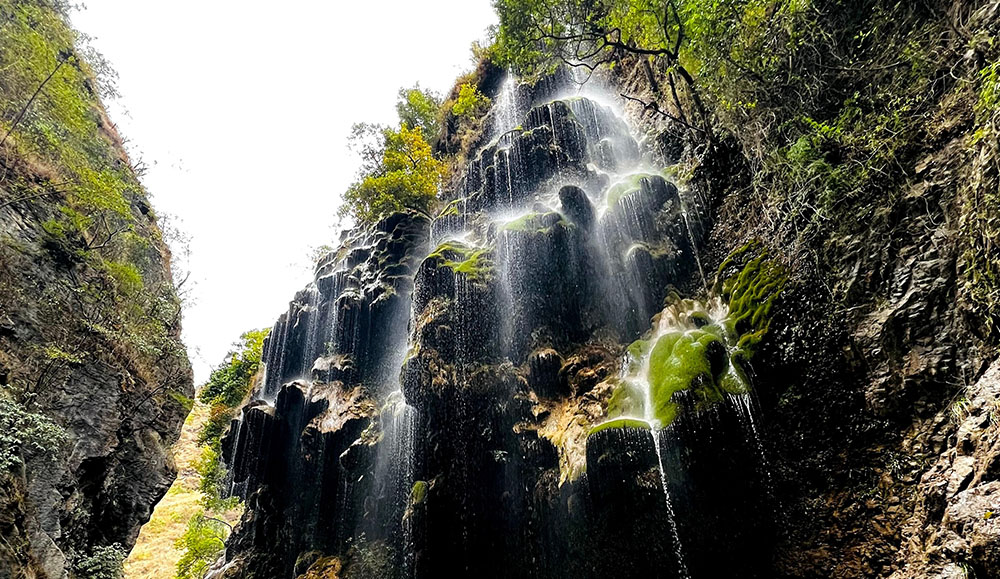
What makes Umbrella Waterfall truly unforgettable is not just the waterfall itself — where water fans out in a mesmerizing umbrella-like cascade from rugged cliffs — but the journey to reach it. To arrive at this secluded gem, visitors embark on a 30 to 45-minute trek through untouched landscapes, weaving through streams, lush greenery, and gentle trails. It’s an invigorating hike, accessible to most, that makes every step feel like part of the adventure.
As you approach the falls, the sound of rushing water grows louder, building anticipation. And then, it reveals itself — crystal-clear water tumbling down into natural pools, inviting you to wade in, cool off, or simply relax on the rocks. On a hot day, there’s no better way to refresh and reconnect with the serenity of the outdoors.
Despite its growing popularity, Umbrella Waterfall remains unspoiled and beautifully raw. This means no commercial crowds, no concrete structures — just nature at its finest. Come prepared with sturdy shoes, snacks, plenty of water, and a readiness to be awed.
Whether you’re a nature lover, hiking enthusiast, or simply in need of a peaceful escape, this day excursion offers the perfect balance of exploration and relaxation. It’s more than just a sightseeing trip — it’s a memory in the making.
Don’t miss your chance to uncover one of the region’s most breathtaking hidden treasures. Plan your day excursion to Umbrella Waterfall adventure today — and let nature do the rest. It will definitely be a memorable experience.
1 Day
Day Excursion To Khanpur Dam (from Rawalpindi / Islamabad)
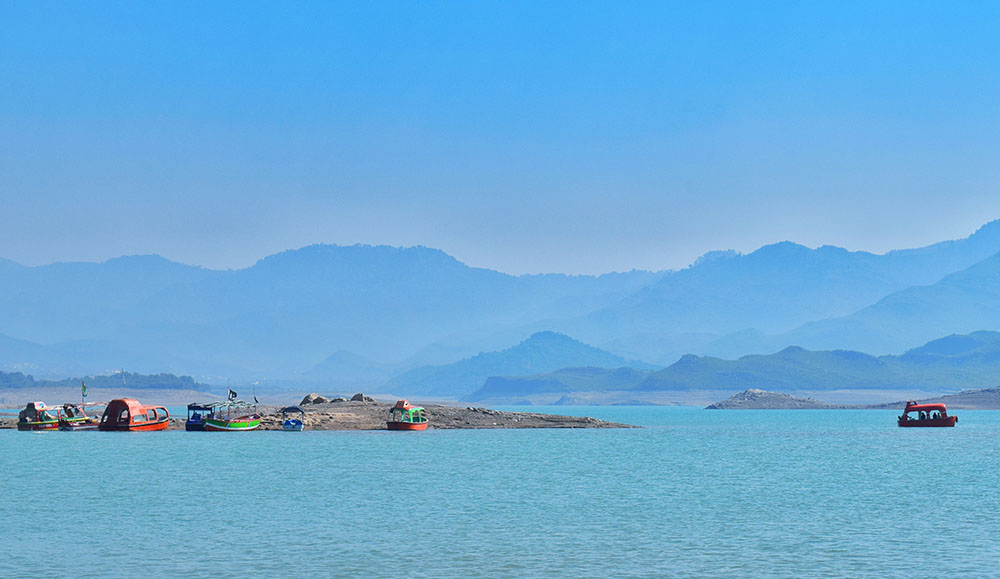
Khanpur Dam is located just 40 kilometers from Islamabad/Rawalpindi. A day excursion to Khanpur Dam offers a refreshing and scenic journey and an ideal retreat from busy urban life. Constructed on the Haro River, this multipurpose dam not only serves as a key water reservoir for irrigation and drinking water but also provides a stunning setting for recreational activities. The artificial lake created by the dam, known as Khanpur Lake, covers an area of 11 square kilometers and is surrounded by green hills, making it a beautiful escape from the city’s bustle.
The lake is a hotspot for water sports enthusiasts, offering activities such as boating, jet skiing, and swimming. The clear blue waters and the natural beauty of the surroundings make it ideal for picnics, hiking, and birdwatching as well. For those who enjoy a blend of relaxation and adventure, Khanpur Lake provides the perfect balance with plenty of leisure spots and opportunities to explore the nearby trails.
Beyond its recreational value, Khanpur Dam plays a vital role in the local economy, attracting tourists and supporting nearby communities. Efforts are made to maintain the area as a safe and appealing destination, ensuring its ongoing popularity among locals and visitors alike. For those seeking a peaceful retreat into nature with a touch of adventure, a day excursion to Khanpur Dam is an ideal day trip from Islamabad.
1 Day
Day Excursion To Muzaffarabad (from Rawalpindi / Islamabad)
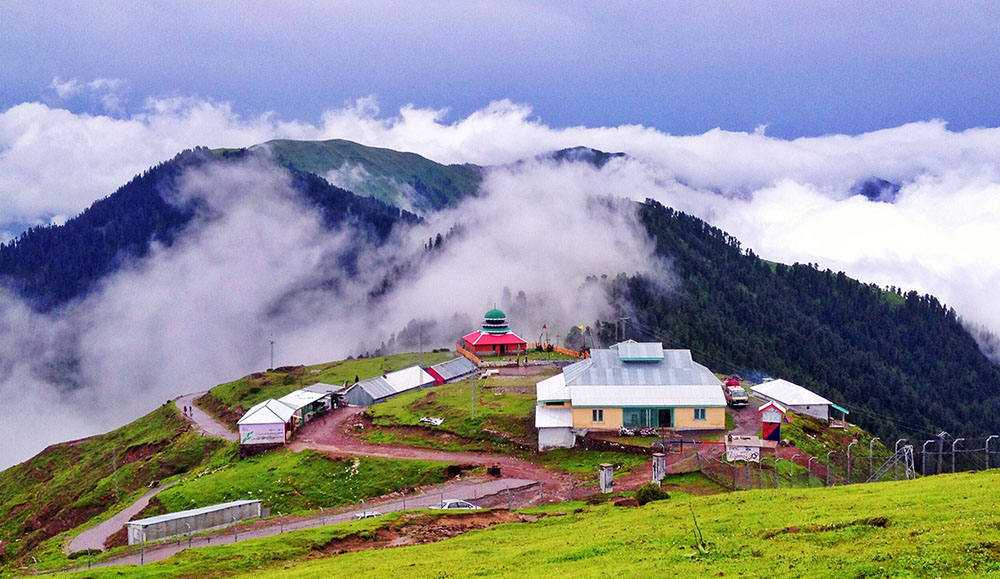
A day excursion to Muzaffarabad, the picturesque capital of Azad Jammu & Kashmir, from Rawalpindi/Islamabad offers travelers an unforgettable blend of natural splendor, cultural richness, and historical intrigue. Located about 138 km away, the journey takes approximately four hours each way, winding through scenic mountain roads, lush green valleys, and along the sparkling Jehlum and Neelum rivers. The route via Murree and Kohala Bridge is itself a visual delight, with breathtaking landscapes and cool breezes accompanying you all the way.
Upon arrival, visitors are greeted by the serene confluence of the Neelum and Jehlum Rivers and the lively charm of Muzaffarabad. Known as the gateway to the Neelum Valley, the city serves as the perfect starting point for discovering the wonders of Azad Kashmir while offering a refreshing escape from the plains of Punjab.
One of the key attractions is the Red Fort, a Mughal-era structure perched by the river, narrating stories of the city’s strategic and historical significance. The riverside areas and Lohar Gali provide lovely spots for leisurely strolls, with magnificent river views and a calm atmosphere. A highlight of the trip is the exhilarating drive up to Pir Chinasi, about 30 kilometers from the city. This hilltop offers sweeping panoramas of the valleys and mountains beyond, including glimpses of the distant peaks of Shogran and Kaghan. The shrine of Pir Shah Hussain Bukhari here lends a spiritual and cultural depth to the experience.
Muzaffarabad also invites visitors to explore its vibrant markets, filled with Kashmiri handicrafts from intricately woven shawls and embroidered garments to woodwork, saffron, and dry fruits. History buffs can visit landmarks such as the AJK Assembly, Supreme Court, and Khurshid Tomb, all reflecting the region’s unique heritage.
Whether you are drawn by the majestic views from Pir Chinasi, the echoes of history at the Red Fort, or the charm of local culture and cuisine, a day trip to Muzaffarabad from Rawalpindi/Islamabad promises a rich and memorable journey into the heart of Azad Kashmir.
1 Day
Day Excursion To Rohtas Fort (from Rawalpindi / Islamabad)
A day excursion to Rohtas Fort from Rawalpindi/Islamabad offers a captivating journey into Pakistan’s rich history, making it an unforgettable experience for both history enthusiasts and nature lovers. This visit to one of the country’s most remarkable historical landmarks is truly inspiring.
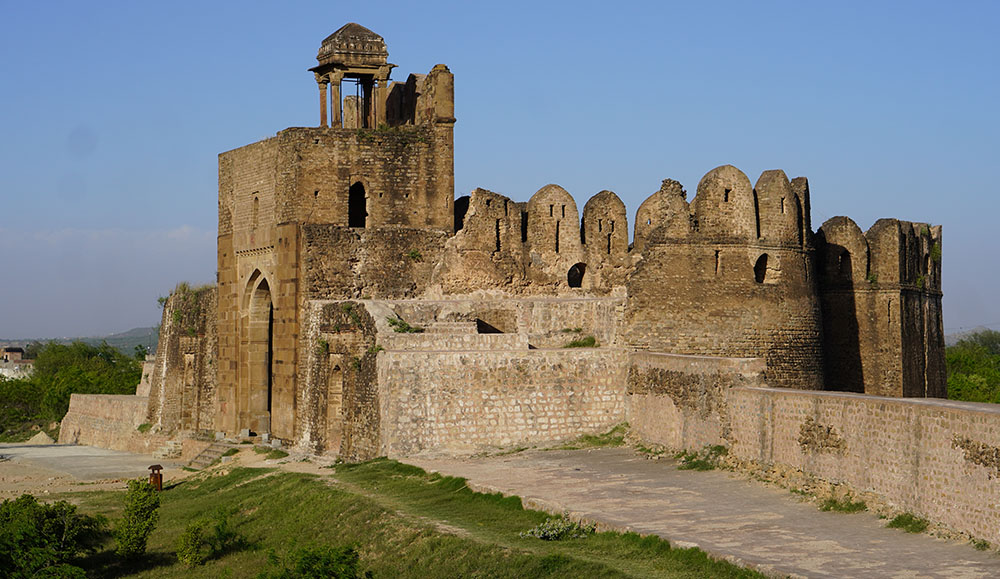
Located approximately 120km from Rawalpindi/Islamabad and about 250 kilometers from Lahore, Rohtas Fort is a UNESCO World Heritage Site renowned for its formidable architecture, rich history, and stunning natural surroundings. Built in the 16th century by the Afghan king Sher Shah Suri, the fort served as a strategic military stronghold and played a significant role in shaping the region’s history.
Visitors to Rohtas Fort can explore its massive ramparts, towering bastions, and imposing gates, marveling at the ingenuity and craftsmanship of its builders. The fort’s intricate design, with its labyrinthine passages and hidden chambers, offers insight into the military tactics of the time and provides a glimpse into the past.
Beyond its military significance, Rohtas Fort boasts breathtaking views of the surrounding landscape, with lush green hills, winding rivers, and picturesque valleys stretching as far as the eye can see. Visitors can take leisurely walks along the fort’s ramparts, soak in the serene ambiance, and capture stunning photographs of the natural beauty that surrounds them.
Travelers can engage themselves in the rich history and cultural heritage of Rohtas Fort, learning about its role in shaping the region’s history and its enduring legacy as a symbol of resilience and strength. In addition to exploring the fort itself, visitors can enjoy a leisurely picnic amidst the fort’s scenic surroundings, cherishing the tranquility and beauty of this historic landmark. Book your day excursion to Rohtas Fort and enjoy a trip to this UNESCO World Heritage site no matter whether you are based in Lahore, Islamabad or Rawalpindi. Pearl Tours will organize a memorable trip to Rohtas Fort.
1 Day
Day Excursion To Khewra Salt Mines (from Rawalpindi / Islamabad)
The day excursion to Khewra Salt Mines is an unforgettable full-day adventure that begins with an early departure from Rawalpindi/Islamabad, promising a journey into the heart of Punjab’s natural and historical wonders. Whether you’re drawn by curiosity, history, or sheer natural beauty, Khewra offers an immersive experience unlike any other. The drive itself is rewarding—meandering through the scenic plains and the rugged terrain of the Salt Range via the M-2 Motorway and Lilla Interchange, offering glimpses of rural life and geological marvels.
Located about 170 km from Islamabad, the Khewra Salt Mines are not only the oldest in South Asia but also the second-largest salt mines in the world. Their discovery dates back to 326 BCE, when Alexander the Great’s army noticed their horses licking the salty rocks. Over centuries, these mines have become a testament to both natural wonder and human craftsmanship.
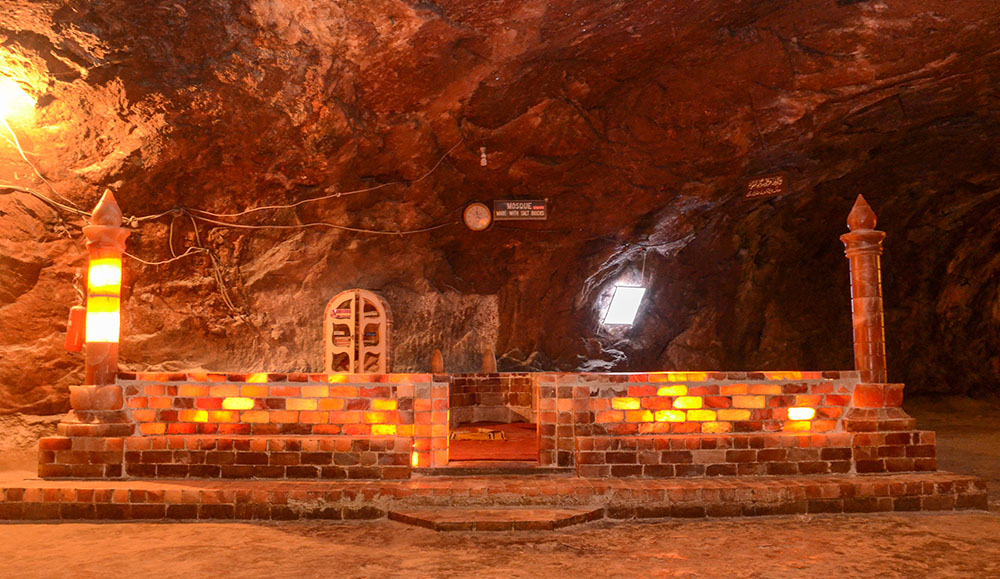
Upon arrival, visitors can explore the mines either on foot or aboard a nostalgic British-era narrow-gauge train, which transports them deep into the subterranean tunnels. Inside, the temperature remains a pleasant 18–20°C year-round, offering respite from the summer heat. The salt chambers are illuminated to highlight their stunning formations vivid red, pink, and white salt bricks forming everything from a miniature replica of the Badshahi Mosque to Minar-e-Pakistan, a statue of Allama Iqbal, and even a model railway station made entirely of salt.
One of the most striking features is the Sheesh Mahal, or “Palace of Mirrors,” crafted from gleaming pink salt crystals, creating a breathtaking visual effect. Adventurous souls can tiptoe across Pul-e-Saraat, a narrow salt bridge suspended over a briny pool, adding an element of thrill to the visit. A stop at the salt therapy chamber also offers a unique wellness experience, known for its benefits to respiratory health.
This enriching day excursion to Khewra Salt Mines is not just a tour—it’s a journey through geological time, historical legacy, and artistic expression, making it a perfect day trip for families, students, photographers, and explorers. A visit to Khewra is a vivid reminder of Pakistan’s hidden treasures and the stories carved deep beneath its surface.
1 Day
Day Excursion To Swat Valley (from Rawalpindi/Islamabad)
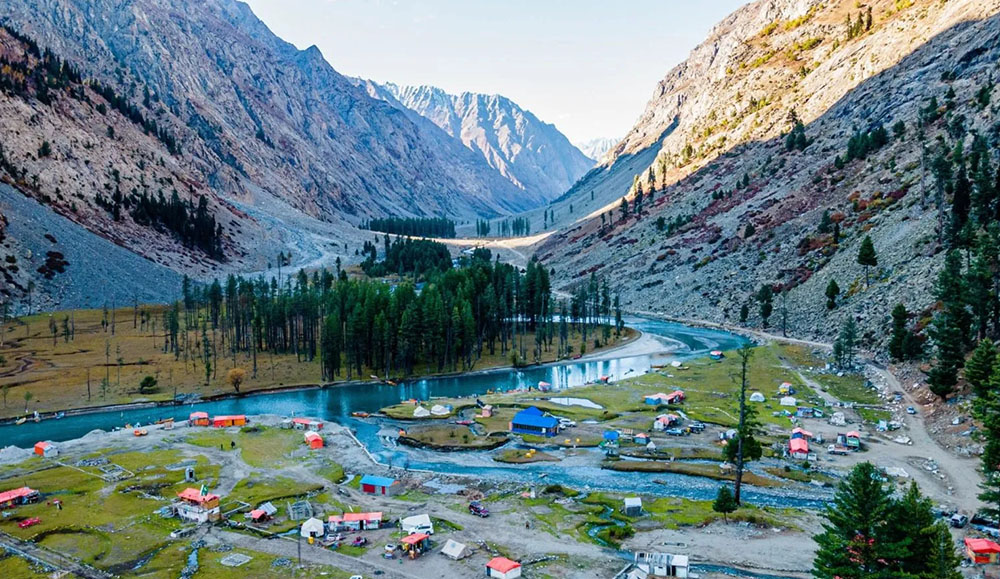
A day excursion to the magical Swat Valley — starting either from Rawalpindi/Islamabad — is a rewarding journey into one of Pakistan’s most beautiful and historically significant regions. Often called the “Switzerland of the East,” Swat is nestled in the foothills of the Hindu Kush mountains and is renowned for its green meadows, snow-capped peaks, crystal-clear rivers, and rich cultural heritage.
A day excursion to the magical Swat Valley from Rawalpindi/Islamabad is an unforgettable journey into one of Pakistan’s most breathtaking and historically rich regions. Known as the “Switzerland of the East,” Swat lies in the embrace of the Hindu Kush mountains, famed for its lush meadows, glistening rivers, towering peaks, and deep cultural heritage.
The trip begins before dawn, as travelers set off on the motorway towards Mardan, passing rolling plains that give way to dramatic hills. After joining the legendary Malakand Pass, the road winds through rugged mountains, dotted with terraced fields, fruit orchards, and traditional villages. The mighty Swat River accompanies you much of the way, its clear waters sparkling under the morning sun.
Reaching Mingora the bustling heart of Swat you’re greeted by colorful bazaars, aromatic food stalls, and a lively atmosphere. A stroll through Mingora Bazaar offers a glimpse of Swati life and a chance to pick up exquisite handicrafts or embroidered shawls. Just beyond lies the ancient Butkara Stupa, a remarkable Buddhist relic from the Gandhara civilization, reflecting Swat’s spiritual and archaeological significance.
Next, head to Saidu Sharif, the valley’s administrative capital. Here, the Swat Museum awaits, housing an impressive collection of Gandharan sculptures, coins, and artifacts that chronicle the valley’s Buddhist past. The museum’s serene gardens and exhibits offer a quiet moment to appreciate Swat’s rich history.
For those who cherish nature, a stop at Fizagat Park along the Swat River provides a serene retreat with stunning views, crisp mountain air, and perfect picnic spots. The entire journey is lined with postcard-perfect scenery snow-dusted peaks, verdant valleys, and the ever-present river creating unforgettable photo opportunities.
This day trip beautifully blends history, culture, and nature. You’ll experience the warmth of Pashtun hospitality, marvel at ancient monuments, and bask in Swat’s unmatched beauty — all within a single day. Though the journey is long, the reward is immense, and the memories of Swat’s magic will stay with you forever.
1 Day
Day Excursion To Murree Hills (from Rawalpindi / Islamabad)
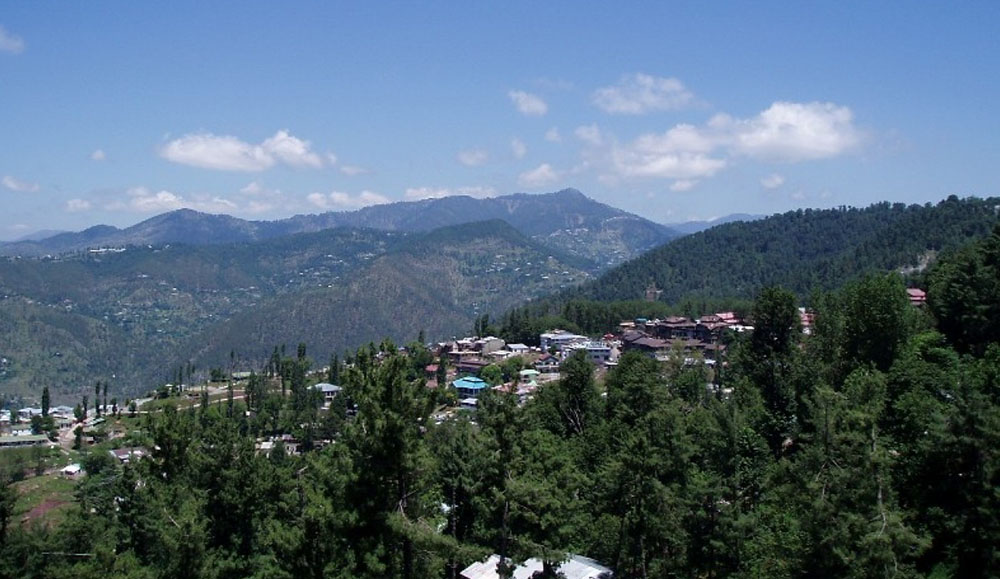
A day excursion to Murree Hills near Islamabad and Rawalpindi offers a refreshing retreat into nature’s splendor. Located in the Pir Panjal Range, just 60 kilometers from Islamabad, Murree is an accessible getaway from the busy city life. Known for its lush green landscapes, cool mountain air, and stunning panoramic views, Murree sits at around 8,000 feet, making it the largest and most developed hill station in the region. Originally settled by the British Raj as a summer retreat, Murree now welcomes tourists with activities like hiking, horse riding, and chairlifts. Popular spots such as Mall Road, Patriata (New Murree), Pindi Point, Kashmir Point, Ayubia National Park, and Nathiagali offer breathtaking vistas and rich cultural experiences, with local bazaars showcasing traditional handicrafts and souvenirs.
Historically, Murree holds a significant colonial legacy. It was identified in 1847 by Sir James Abbott, and by 1849, it was decided that the area would serve as a hill station due to its proximity to the Rawalpindi Cantonment. The town was formally founded in 1851 by Sir Henry Lawrence as a sanatorium for British troops. Over the years, Murree became a favored destination for British officials and their families, complete with commercial establishments, churches, and residences. The iconic Mall Road, once known as Jinnah Road, still retains remnants of the British colonial period, where key establishments like the post office and merchants with European goods flourished. Several notable Britons were born here, and the station developed into a European-style retreat during the British Raj.
Since 1947, Murree has continued to thrive as a major tourist attraction, drawing visitors both from within Pakistan and abroad. The local population of around 233,000, primarily speaking Pahari, manages businesses that cater to tourists year-round. While it gets overcrowded during peak summer and winter seasons, the scenic beauty remains a key draw, especially during snowfall in the winter. Visitors can explore the famous Mall Road for food and shopping, and enjoy treks like the Mushkpuri and Pipeline trails. With its year-round greenery and cool climate, Murree is easily accessible by road via the Express Highway, though the nearest airport is in Islamabad, and no direct railway connects to the hill station.
1 Day
Day Excursion To Taxila (from Rawalpindi / Islamabad)
Just a short 40 km drive from the twin cities of Islamabad and Rawalpindi, and 156 km from Peshawar, lies a gateway to one of the world’s most profound historical wonders—Taxila, a UNESCO World Heritage Site and a must-visit destination for any traveler seeking to uncover the soul of ancient South Asia. A day excursion to Taxila isn’t just a sightseeing trip—it’s a powerful journey through time, perfect for history buffs, archaeology enthusiasts, and curious adventurers alike.
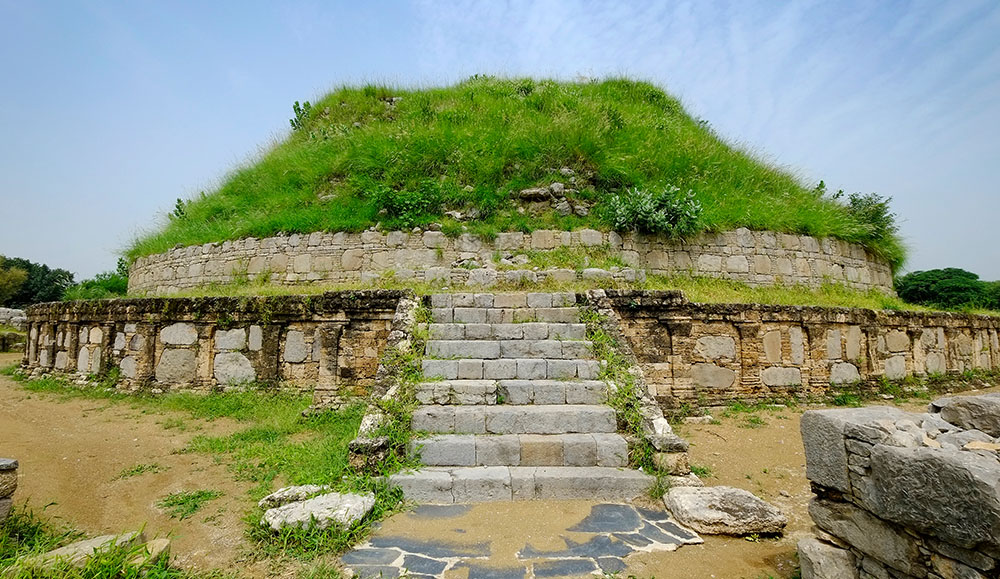
Dating back to 3500 BCE, Taxila—once known as Takshasila—was a flourishing center of learning, trade, and Buddhist philosophy. As you walk through its over 50 excavated sites, you’ll stand where some of the earliest scholars and monks once lived, studied, and taught. This ancient metropolis was a melting pot of cultures and ideas, shaped by the mighty Achaemenid, Mauryan, and Kushan empires. Here, history is not hidden behind glass but sprawled across sun-drenched fields and stone pathways that whisper stories of enlightenment and empire.
Your day could begin at Sirkap, an ancient city planned with Greek architectural influence, then take you up the hills to Jaulian, an ancient Buddhist university remarkably well preserved, with meditating cells and stupas overlooking lush valleys. Visit Dharmarajika Stupa, where sacred relics are believed to have once been housed, and Mohra Moradu, a peaceful monastic complex showcasing beautiful Gandharan art. Each site is not just a ruin, but a piece of a grand civilizational puzzle waiting to be rediscovered.
No visit to Taxila is complete without exploring the Taxila Museum, a gem in its own right. Housed in a colonial-era building, the museum offers a curated narrative of the region’s history through its extensive collection of statues, tools, ornaments, coins, and sacred artifacts. It’s a rare chance to see how everyday life and spiritual practice intertwined in one of history’s most intellectually vibrant cities.
With its easy accessibility and immense historical significance, a day excursion to Taxila is more than just a break from the city it’s an inspiring dive into humanity’s shared past. Pack a camera, wear comfortable shoes, and prepare for a deeply enriching experience. Your journey into the cradle of Gandhara civilization awaits step into history, just an hour away.
Note: The museum is open every day except on the first Monday of each month and on all Islamic Holidays
Timings: Winter: 9 am to 4 pm, Summer: 8:30 am to 5 pm
1 Day
Day Eaxcursion To TAKHT-I-BAHI MONASETERY (from Rawalpindi / Islamabad)
A day excursion to Takht-i-Bahi Monastery from Rawalpindi, Islamabad promises not just a scenic drive but an unforgettable dive into one of South Asia’s most remarkable ancient sites. Located approximately 165 kilometers northwest of Rawalpindi/Islamabad, Takht-i-Bahi (meaning “Throne of the Water Spring”) stands as a rare and remarkably well-preserved relic of the Gandhara civilization, a fusion of Greco-Roman and Indian art and philosophy that flourished between the 1st century BCE and 7th century CE.
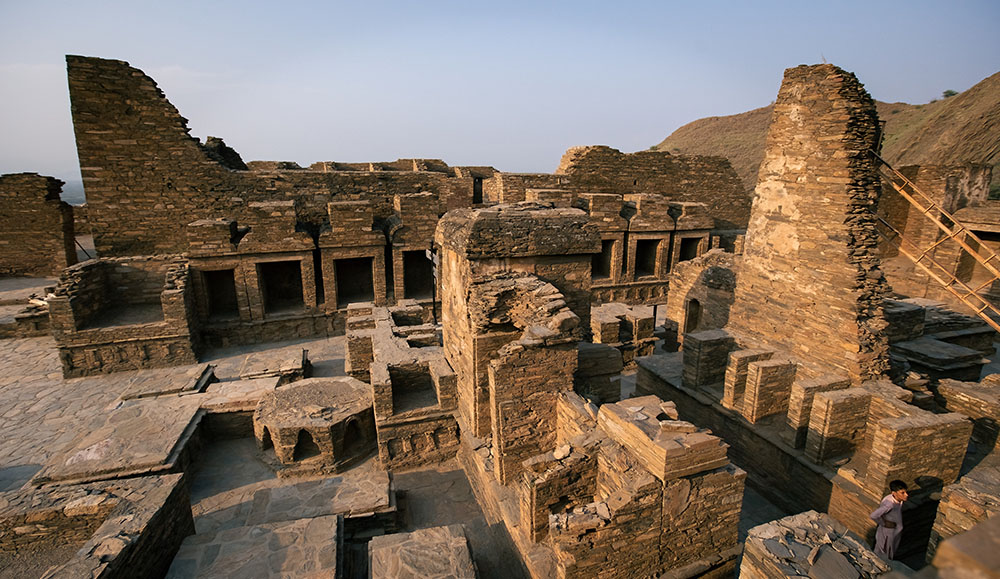
The monastery complex is dramatically perched on a hill, offering panoramic views of the surrounding plains. This elevated position was likely strategic both defensively and spiritually as Buddhist monks sought isolation for meditation and study. The site’s layout reflects sophisticated architectural planning: its network of stupas, monastic cells, courtyards, assembly halls, and meditation chambers are arranged in harmony with the natural contours of the terrain. The structures are built primarily of stone masonry, and despite centuries of exposure, many elements remain intact, allowing visitors to walk through history as they explore the echoing corridors once used by monks and pilgrims.
Takht-i-Bahi is recognized as a UNESCO World Heritage Site, one of only six in Pakistan, underscoring its global significance as a cultural and spiritual treasure. The site’s importance lies not only in its architectural integrity but also in its historical role as a thriving center for Buddhist learning and practice during the Gandhara period. Reliefs and sculptures unearthed here have provided scholars with valuable insight into Buddhist iconography and the transcontinental spread of Buddhism via the Silk Road.
Traveling from Islamabad or Rawalpindi takes around 2.5 to 3 hours by road, making this journey perfect for a full-day historical adventure. Along the way, one encounters the serene rural beauty of northern Pakistan, with green fields, small villages, and rolling hills creating a tranquil backdrop.
For history enthusiasts, spiritual seekers, or casual travelers with a curiosity for ancient civilizations, a day excursion to Takht-i-Bahi Monastery is more than a sightseeing trip it translates Pakistan’s rich and diverse heritage preserved for centuries. The silence of the ruins speaks volumes, echoing tales of devotion, enlightenment, and the enduring human quest for meaning.
1 Day
Day Excursion To Peshawar (from Rawalpindi / Islamabad)
A day excursion to Peshawar, approximately 180 kilometers from Rawalpindi/Islamabad, is a journey into one of South Asia’s oldest living cities. Nestled at the mouth of the historic Khyber Pass, Peshawar has served as a crossroads of cultures, trade, and civilizations for over two millennia. Known as the “City of Flowers”, it was once a vibrant hub along the Silk Road, influenced by Persian, Central Asian, and South Asian traditions a testament to its rich and layered history.
The drive from Rawalpindi/Islamabad takes around 3–4 hours, passing through scenic plains, dotted villages, and the rolling hills of Khyber Pakhtunkhwa. On arrival, visitors are welcomed by the colorful chaos of Peshawar an intoxicating blend of history, culture, and hospitality. At its heart lies Qissa Khwani Bazaar, or the “Street of Storytellers,” where traders and travelers once shared tales from across the world. Today, the bazaar remains full of life, offering spices, embroidered fabrics, handcrafted jewelry, and traditional wares perfect for shopping and soaking in the local vibe.
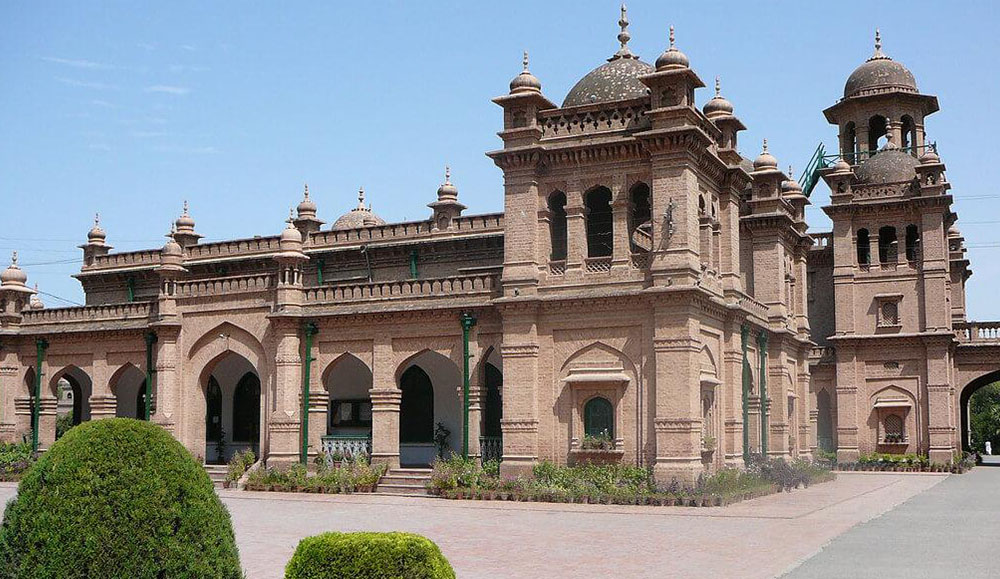
Among Peshawar’s most iconic landmarks is the Bala Hisar Fort, a historic citadel perched above the city, offering panoramic views and a glimpse into its strategic past. Another gem is the Mohabbat Khan Mosque, built in the Mughal era, with its intricate frescoes and graceful minarets standing as a monument to Islamic art and devotion. The Peshawar Museum is another highlight, housing an impressive collection of Gandhara Buddhist artifacts, coins, and ethnographic exhibits that narrate the region’s ancient and diverse heritage.
Peshawar is equally renowned for its hearty and flavorful cuisine. No trip is complete without savoring its legendary Chapli Kebabs, fragrant karahi, fresh naan, and traditional sweets like halwa. Quaint tea shops in the old city offer warm hospitality and a chance to mingle with locals.
The people of Peshawar known for their warmth, colorful attire, and fierce pride in their culture leave a lasting impression on every visitor.
In a single day, travelers can experience bustling markets, stunning monuments, delicious food, and timeless stories making a day excursion to Peshawar an unforgettable cultural and historical adventure from Rawalpindi/Islamabad.
1 Day